
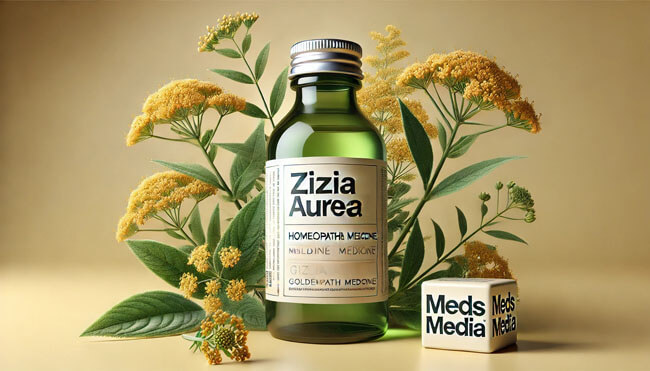

Zizia aurea, also known as Golden Alexanders, is a lesser-known homeopathic remedy primarily associated with a range of mental, emotional, and physical symptoms, as well as nervous disorders. While its primary use in homeopathy focuses on conditions like hysteria, epilepsy, and chorea, its broader personality profile also reflects a deep-seated interaction between the mental state, the nervous system, and the physical body.
Mental and Emotional Characteristics:
One of the defining features of the Zizia aurea personality is the fluctuating emotional state. Individuals who respond well to this remedy may experience sudden, alternating moods. This includes:
- Suicidal tendencies: The person may experience overwhelming feelings of hopelessness and despair, often linked to hypochondriasis or exaggerated concerns about health.
- Depressive episodes: Intense bouts of depression, where the individual feels weighed down by life’s burdens.
- Hysterical laughter and weeping: Sudden outbursts of inappropriate laughter or weeping without clear reason, signifying emotional instability.
- Hypochondriasis: There is a marked fear of illness or an obsession with imagined diseases, which contributes to the mood swings and mental unease.
These characteristics make Zizia aurea suitable for individuals whose emotional spectrum fluctuates between extremes, particularly depression and hysteria, often accompanied by a fear of disease.
Physical Characteristics:
From a physical standpoint, the Zizia aurea personality exhibits a collection of nervous, respiratory, and reproductive system symptoms:
- Head: There is often pressure in the head, especially on the top or in the right temple, frequently associated with backache. This symptom mirrors the mental pressure and strain the person feels.
- Reproductive system:
- In men, there is significant lassitude or exhaustion following sexual activity, despite a prior increase in sexual power.
- In women, it manifests as intermittent neuralgia of the left ovary and profuse, acrid leucorrhoea, often coupled with retarded menses.
- Respiratory system: A dry, nagging cough with sharp, stabbing pains in the chest (stitches) is characteristic, along with periods of dyspnea (difficulty breathing).
- Extremities: A persistent feeling of tiredness in the limbs, spasmodic twitching, and a tendency for the legs to be “fidgety” and restless, even during sleep. This restlessness, especially in the legs, mirrors some of the mental agitation seen in the remedy’s emotional profile.
Behavioral Patterns:
The behavioral tendencies of a Zizia aurea personality often align with nervous agitation and mood fluctuations. The individual may appear:
- Fidgety and restless: Especially during sleep, with legs that move involuntarily or twitch. This restlessness in sleep is a key marker of the remedy.
- Hysterical behavior: Episodes of hysteria, such as laughing or crying without apparent reason, might make the person seem unpredictable or even irrational at times.
- Fatigue and lassitude: Despite occasional bursts of energy, particularly in the sexual realm, they experience overwhelming fatigue or weakness afterward, reflecting a deep exhaustion.
- Increased sexual drive: At times, the individual may exhibit heightened sexual energy, which is often followed by physical exhaustion.
Associated Diseases:
- Hysteria: Characterized by emotional instability and outbursts of inappropriate laughter or crying, linked to deep-seated mental distress.
- Epilepsy and chorea: Zizia aurea is particularly indicated for individuals prone to epilepsy or involuntary movements (chorea), which can occur during sleep.
- Hypochondriasis: An exaggerated concern about health, often leading to anxiety and obsessive behaviors.
- Neuralgic conditions: Especially affecting the female reproductive organs, as well as intermittent pains in various body parts.
- Respiratory issues: Conditions like dry cough and chest pain due to nervous system involvement.
Miasmatic Personality of ZIZIA AUREA
From a miasmatic perspective, Zizia aurea falls under the sycotic miasm, which is characterized by chronic, recurring issues, both physical and emotional. Sycotic individuals often exhibit heightened sexual energy, paired with feelings of shame or guilt, which then leads to repression or emotional breakdown. They are prone to nervous disorders, obsessive thoughts about illness, and emotional volatility, all of which align with the core characteristics of Zizia aurea.
Conclusion:
The Zizia aurea personality in homeopathy is marked by nervous agitation, emotional extremes, and physical symptoms that predominantly affect the reproductive, respiratory, and nervous systems. This remedy is most suitable for individuals who display a combination of hysteria, depression, nervous restlessness, and physical exhaustion, especially following periods of heightened sexual energy or emotional distress. Understanding the comprehensive profile of Zizia aurea can guide practitioners in selecting this remedy for patients whose physical and emotional symptoms align with the remedy’s key indications.